ketone bodies test procedure Test rothera ketone bodies principle procedure gerhardt interpretation observations results biochemistry
If you’re following a ketogenic diet, you might be wondering how to monitor your ketone levels. Luckily, there are a few different ways to do so. Here’s a rundown of the best methods for measuring your ketones. First off, what are ketones? Ketones are molecules produced by your liver when your body is burning fat for energy instead of carbs. They’re basically a sign that your body is in a state of ketosis, which is the goal of the keto diet. The higher your ketone levels, the deeper into ketosis you are. One way to measure your ketone levels is through a blood test. This involves pricking your finger and using a blood glucose meter to measure the level of ketones in your blood. This method is considered the most accurate, but it can also be the most expensive and inconvenient since you need to buy a special meter and test strips. Another option is a breath test. This involves blowing into a device that measures the amount of acetone in your breath. Acetone is a type of ketone that’s exhaled from your lungs. This method is less invasive than a blood test, but it can be less accurate. Finally, you can use urine test strips to measure your ketone levels. These strips are inexpensive and easy to use - you simply pee on them and wait for the color to change. However, they’re not as accurate since they only measure the amount of ketones excreted in your urine, which can vary based on factors like hydration level and the time of day. So, which method should you choose? It really depends on your personal preferences and budget. If you’re looking for the most accurate measurement, a blood test is the way to go. However, if you’d prefer a less invasive option, a breath test or urine test strips can still give you a good idea of where you’re at. No matter which method you choose, it’s important to remember that ketone levels can fluctuate throughout the day and based on factors like exercise and meal timing. So, it’s best to measure your levels at the same time each day and make note of any changes in your diet or routine that could impact your results. In conclusion, monitoring your ketone levels is an important aspect of following a ketogenic diet. Whether you choose a blood test, breath test, or urine test strips, the key is to be consistent and use the results as a tool to help you tweak your diet and achieve your health goals.
If you are looking for Ketone Bodies Test Purpose, Procedure, Result and more - Lab Tests Guide you’ve came to the right page. We have 5 Images about Ketone Bodies Test Purpose, Procedure, Result and more - Lab Tests Guide like Gerhardt’s Test For Ketone Bodies: Principle, Procedure and Interpretation, Rothera’s test/urine ketone test procedure/urine ketone bodies test and also Ketone Bodies Test Purpose, Procedure, Result and more - Lab Tests Guide. Here you go:
Ketone Bodies Test Purpose, Procedure, Result And More - Lab Tests Guide
 www.labtestsguide.comketone acetone ketones hydroxybutyric labtestsguide
The Best Way To Monitor Ketone Levels
 ketokorner.comketone ketones acetone bodies acetoacetate body bhb types why diet ketogenic keto levels fat hydroxybutyrate ketosis beta acid look made
Rothera’s Test/urine Ketone Test Procedure/urine Ketone Bodies Test
 www.youtube.comurine ketone bodies rothera procedure
Gerhardt’s Test For Ketone Bodies: Principle, Procedure And Interpretation
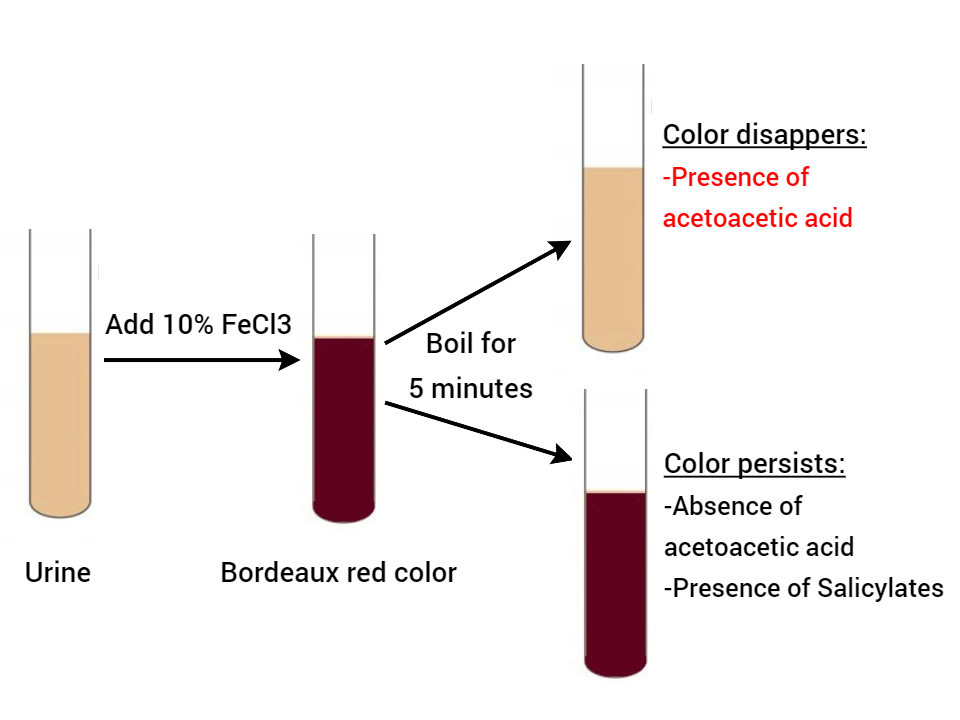 laboratorytests.orgtest rothera ketone bodies principle procedure gerhardt interpretation observations results biochemistry
Am I In Ketosis? Wondering How To Measure Ketones? | Bodyketosis
 bodyketosis.comketone bodies measure bodyketosis ketosis levels ketones measuring explained wondering am trace pee sticks past small superpower awesome
Ketone bodies measure bodyketosis ketosis levels ketones measuring explained wondering am trace pee sticks past small superpower awesome. Urine ketone bodies rothera procedure. Ketone acetone ketones hydroxybutyric labtestsguide